
Maryland’s New Deepfake Identity Fraud Statute: Under What Circumstances Can Artificial Intelligence Create Criminal Liability?
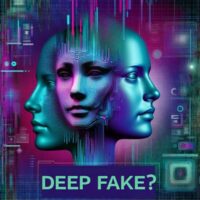
As technological advances provide better opportunities to produce realistic photos, videos, and audio of things people never did, some state legislatures, like Maryland, have responded by amending statutes concerning identity fraud to address possible misuse of AI.
Passed in the 2026 legislative session, Maryland Senate Bill 8 concerns use of artificial intelligence and so-called “deepfake representations” in identity fraud cases. The relevant provisions will go into effect October 1, 2026. Then certain misuse of AI can lead to serious charges in Maryland.
What is a deepfake representation?
According to Maryland Senate Bill 8, deepfake representation involves use of AI or other technology that creates or modifies a representation of a person that looks authentic but isn’t.
Modern AI tools can enable someone to create a very realistic video recording of someone else making a statement that the person never made. The technology is not illegal, but its use can be under some circumstances.
Under what circumstances could a deepfake be considered a crime?
As Maryland expanded its identity fraud provisions, a key question would be what type of conduct is specifically illegal under the new statute. The law specifically prohibits the use of AI for the purpose of committing identity fraud, or otherwise damaging another person’s reputation.
Maryland has provided an extensive list of potential circumstances. Investigators may find themselves looking at digital communications, computer searches, search histories, and similar materials to figure out what an individual’s purpose was for creating the AI-generated material.
Intent, therefore, is likely going to become one of the most controversial issues in deepfake related prosecutions.
The penalties are serious
Under Maryland’s current identity fraud statute, there are different punishments for different situations, which may include a number of additional factors, such as the number of victims, and the value of their losses.
Depending on the circumstances, certain violations of the statute are considered misdemeanors. Others are considered felonies with substantial prison sentences and fines attached to them. In other words, if someone faces charges involving numerous victims, they may get a much steeper sentence than someone charged for an isolated act against a single intended victim.
Digital evidence will likely be key
Since deepfakes involve the use of AI technology, in the majority of situations the prosecution is going to hinge on digital evidence, which can reveal a lot about who created the file, which programs were used, where it was distributed, and what the purpose of the deepfake was.
Digital evidence will be extremely important to the prosecution’s case. However, it doesn’t necessarily mean they can prove their case beyond a reasonable doubt. Prosecutors still need to show criminal intent. They must prove the facts beyond a reasonable doubt.
Contact a Bel Air, MD, Criminal Defense Lawyer Today
Schlaich & Thompson, Chartered, represents the interests of Maryland residents facing serious charges. Call our Bel Air criminal defense lawyers today to schedule an appointment, and we can begin discussing your defense strategy right away.