

How Body-Worn Camera Footage Impacts Maryland Criminal Defense Cases
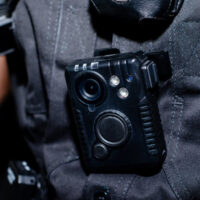
Body-worn cameras are now an integral part of law enforcement in Maryland. It is now common for many police departments to require officers to activate their cameras during traffic stops, arrests, and other public interactions. Despite the body-worn cameras’ reputation for providing objective evidence, bodycam footage doesn’t always speak for itself.
What body cameras capture (and what they don’t)
The idea behind body-worn cameras is to capture police interactions with the public. However, there are certain shortcomings to these devices. Sometimes, it does not start immediately, and there tend to be problems with sound quality. Moreover, it is not always possible to capture every angle.
The most important thing to note is that it captures scenes from the officer’s point of view. It does not capture every scene. There are certain activities that are not captured by the camera. These are usually issues in criminal defense cases.
Legal requirements for body-cam use in Maryland
There are rules set by Maryland law and departmental policies regarding the use of body-worn cameras, such as when the cameras are to be activated and how the evidence is to be stored. In many cases, such as traffic stops, arrests, and searches, the officers are expected to activate the cameras and record the incident, except in specific circumstances.
Failing to adhere to these regulations can call into question the legality of the incident. Lack of evidence, delayed activation, and unrecorded gaps in the incident can lead to the conclusion that the evidence is questionable and the officer’s story is suspect.
How body-cam footage is used in criminal cases
Prosecutors use body-cam footage to support police testimonies, show criminal activity, or justify police actions. Necessarily defense attorneys scrutinize the footage.
The body-cam footage can show discrepancies between the police report and the actual incident. The footage can show whether the police gave clear commands, where the defendant was detained or arrested, or whether the police used force properly. In DUI cases, the footage can show the defendant was not slurring their speech or was not impaired. In assault or resisting arrest cases, the footage can show which party initiated the physical encounter.
Challenging body-cam evidence
For a criminal defense attorney, it takes more than just viewing the footage. Courts have to analyze whether the footage was properly authenticated, edited or altered, and whether all the necessary recordings have been produced. Sometimes, the absence of footage can be equally relevant.
In some cases, the footage can even work in favor of the defense by showing constitutional violations of your rights. If the actions of the police officers do not conform to legal standards, then the footage can come in handy.
Talk to a Bel Air, MD, Criminal Defense Lawyer Today
Schlaich & Thompson, Chartered, represent the interests of Maryland residents who are facing criminal charges. Call our Bel Air criminal defense lawyers today to schedule an appointment, and we can begin preparing your defense right away.